
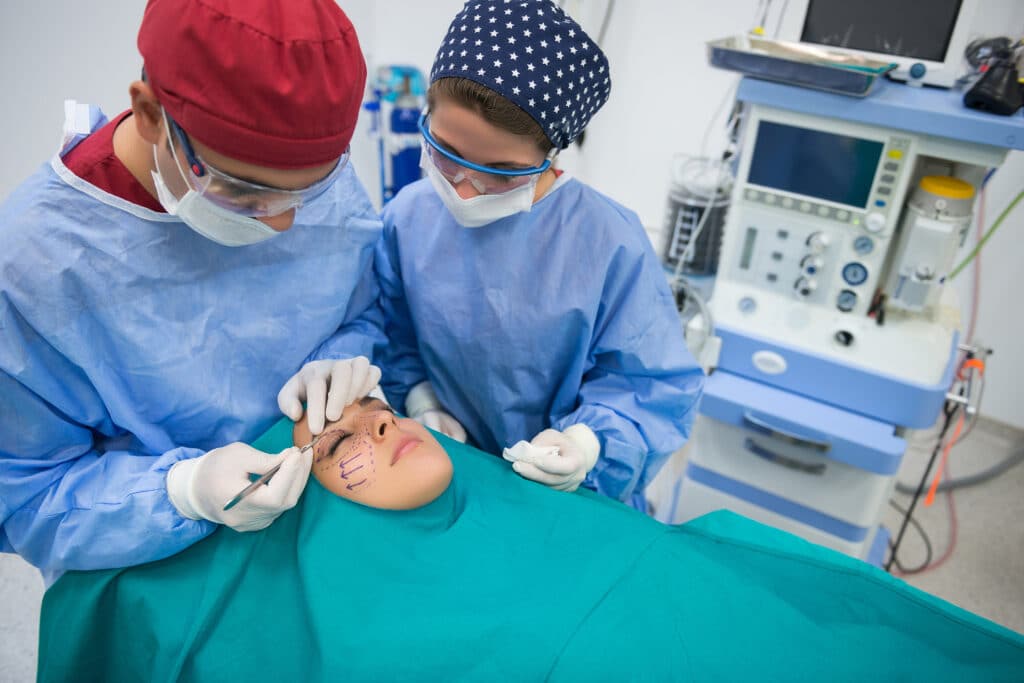
The single most important factor when choosing a cosmetic surgeon abroad is verifiable board certification in their home country, paired with documented training in your specific procedure. A surgeon who performs 300 rhinoplasties a year in Medellín or Istanbul has more hands-on repetition than many US surgeons who see that procedure monthly. Volume matters, and you can ask for it directly.
How to verify credentials and reviews
Start by confirming credentials through official bodies. In Mexico, look for certification from the Consejo Mexicano de Cirugía Plástica, Estética y Reconstructiva. In Colombia, check the Sociedad Colombiana de Cirugía Plástica. These registries are public and searchable. If a clinic cannot point you to a verifiable credential, that alone is a reason to move on.
Before-and-after photos are useful, but they tell you more than aesthetics. Ask how many of those results are from patients with your body type, skin tone, or starting point. A surgeon who hesitates to answer that question, or who only shows their ten best outcomes, is giving you information worth having.
Read reviews on platforms outside the clinic’s own website. RealSelf, Google, and international patient forums give you unfiltered feedback. One negative review rarely means much. A pattern of complaints about poor follow-up care or unexpected additional fees is a red flag worth taking seriously.
Planning aftercare and understanding costs
Factor in aftercare planning before you book anything. Most complications from cosmetic surgery appear in the first two weeks post-op. Knowing whether you can stay near the clinic for that period, and who handles your care if something goes wrong after you fly home, is a practical question, not a pessimistic one. MedEscape connects patients with trusted surgeons at https://gomedescape.com/cosmetic specifically to help close that gap between finding a name and trusting a provider.
Costs vary widely. A board-certified rhinoplasty in Mexico City typically runs $3,000 to $5,500 USD, compared to $8,000 to $15,000 in the US. That savings is real, but only if the surgeon and aftercare support hold up.
Frequently asked questions
How do I verify that a cosmetic surgeon abroad is actually board certified?
Check the national surgical board registry in that country directly. In Mexico, the Consejo Mexicano de Cirugía Plástica, Estética y Reconstructiva has a public search tool. In Colombia, use the Sociedad Colombiana de Cirugía Plástica website. If a surgeon’s name does not appear, ask them to provide their certification number and cross-reference it yourself.
What questions should I ask a cosmetic surgeon before booking internationally?
Ask how many times they have performed your specific procedure in the last 12 months, what their complication rate is, and what the follow-up protocol looks like for international patients. Also ask what happens if you need a revision or develop a complication after returning home. A confident, experienced surgeon will answer all of these without hesitation.
Is it safe to get cosmetic surgery in countries like Mexico or Colombia?
For patients who do their research, yes. Countries like Mexico, Colombia, and Thailand have internationally accredited hospitals and surgeons who trained at programs in the US and Europe. The risk increases when patients choose based on price alone without verifying credentials, facility accreditation, or aftercare support.
How much can I realistically save on cosmetic surgery abroad?
Savings depend on the procedure, but the difference is substantial. A full facelift in the US averages $12,000 to $20,000. The same procedure with a board-certified surgeon in Bogotá or Monterrey typically costs $4,500 to $8,000, including facility and anesthesia fees. Flights and accommodation add $800 to $1,500, still leaving significant net savings.