
Preparing for surgery abroad takes more planning than a typical domestic procedure, but the process is straightforward once you know what actually needs to happen before you board the plane. Most problems that derail medical travel are not clinical. They are logistical: missing lab results, unclear post-op plans, or travel insurance that excludes elective procedures. Getting ahead of those details is what this guide is for.
Start with a real remote consultation, not just a price quote
The first step is a video consultation with the actual surgeon or specialist who will treat you, not a patient coordinator. Many clinics outside the US offer these at no charge, and they are the single most important thing you can do before committing to anything. You want to hear the provider explain the procedure, ask about their complication rate, and confirm that your expectations match what they can realistically deliver.
Come to that call with a written list of questions. Ask how many times the surgeon has performed your specific procedure. Ask where you would go if a complication arose after you returned home. Ask whether the clinic has treated patients from the US or Canada before, because those providers already understand insurance documentation, follow-up communication, and the coordination your primary care doctor will need back home.
One consultation is usually not enough. Plan for at least two calls before you travel: an initial conversation and a pre-op review once your medical records have been sent and reviewed.
Gathering and organizing your medical records
Your clinic abroad will need a specific set of documents, and pulling them together takes more time than most patients expect. Request everything at least four to six weeks before your travel date. Standard requirements include recent bloodwork (typically within 90 days), an EKG if you are over 40 or have any cardiac history, imaging relevant to the procedure, a list of current medications with dosages, and a summary from your primary care physician.
Translate nothing on your own. Ask the receiving clinic which language they need records in. Most clinics in Mexico, Costa Rica, and Panama work fluently in English, and submitting records in their original English form is usually fine. What the clinic does need is records in a format they can open: PDF is safer than proprietary health system portals that require a US login.
Keep one complete copy of everything in a cloud folder you can access from your phone. Carry a printed backup in your travel bag. If your records get delayed or a file fails to open, you want a fallback that does not depend on Wi-Fi.
If you take prescription medications, carry enough supply for the full trip plus a few extra days. Bring the original pharmacy bottles so customs officials can see the prescription label. Some medications are controlled substances in other countries, so check with the destination country’s embassy or consulate if you are unsure whether yours requires a declaration.
What to sort out with your insurance before you leave
Standard US and Canadian health insurance almost never covers elective procedures performed abroad. That is the known reality. What patients often overlook is travel insurance, which is a separate product and the one that actually matters here.
Look for a travel insurance policy that includes medical evacuation coverage and, if possible, coverage for complications related to a pre-planned medical procedure. Many standard travel policies exclude anything connected to elective surgery, so read the exclusions carefully before you buy. Squaremouth and InsureMyTrip both allow you to filter policies by what they cover, which makes comparison easier.
Ask your clinic whether they carry liability insurance and what their policy is if a complication requires extended care. A reputable facility will answer that question directly. If the answer is vague, that tells you something.
Also confirm your regular health insurance policy before you go. According to the US Department of State, Medicare does not cover care received outside the United States. If Medicare is your primary coverage, you are responsible for any emergency costs abroad, which makes medical evacuation insurance especially important.
Travel planning specifics for medical patients
Book a direct flight when you can. Long connections add fatigue before surgery and swelling risk after it. Your surgeon will likely give you a specific window for how soon after the procedure you can fly, and that window varies by procedure type. Get that guidance in writing and plan your return ticket accordingly, with some buffer built in. A non-refundable return flight booked too close to your procedure date is a common source of unnecessary stress.
Accommodation matters more than people realize. You are not staying somewhere for sightseeing. You need a place that is close to the clinic, quiet, has a comfortable bed, and ideally has a small kitchen or at least a refrigerator so you can manage meals and medications without depending entirely on room service or restaurant hours. Many clinics in Mexico, Costa Rica, and Panama have partner hotels or recovery houses they can recommend, and those recommendations are usually worth following.
Plan to travel with a companion if your procedure requires any sedation or has a meaningful recovery period. Most reputable clinics require it. Even if the clinic does not, having someone with you for the first 24 to 48 hours post-procedure is genuinely practical, not just cautious.
Keep your itinerary flexible for the days immediately after your procedure. Do not schedule tours, day trips, or long drives during that window. Rest is part of the treatment.
What to pack for a medical trip
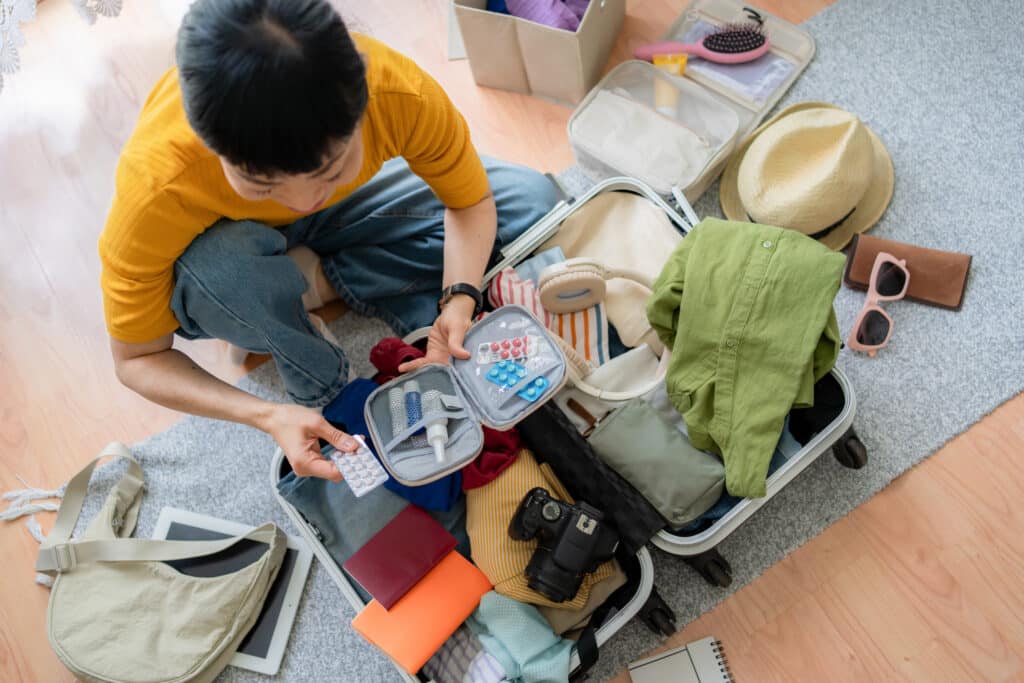
Packing for a medical trip is different from packing for a vacation. The comfort and recovery items matter as much as the documents. Below is a practical breakdown.
| Category | What to bring |
|---|---|
| Documents | Passport, printed medical records, insurance cards, travel insurance policy, clinic contact information, emergency contacts |
| Medications | Current prescriptions in original bottles, over-the-counter pain reliever approved by your surgeon, any supplements your surgeon cleared |
| Comfort items | Loose comfortable clothing, compression garments if required, travel pillow, noise-canceling earbuds or earplugs |
| Recovery support | Small cooler bag for medications that need refrigeration, thermometer, written post-op instructions from your clinic |
| Communication | Unlocked phone with an international plan or local SIM, charger and backup battery, translation app if needed |
Leave high-value jewelry and anything you would be upset to lose at home. Keep your documents and medications in your carry-on, not your checked bag.
Setting up your follow-up care before you travel
This step gets skipped more than any other, and it causes real problems. Before you leave, tell your primary care physician what procedure you are having, where, and when. Ask whether they are willing to manage your follow-up care when you return. Most US and Canadian physicians will do this, though some may ask you to sign a form acknowledging they were not involved in the original procedure.
Get your post-op instructions from the clinic before you travel home, ideally in written form with a point of contact for remote follow-up questions. Reputable clinics in Mexico, Costa Rica, and Panama are accustomed to patients returning to North America and typically provide video follow-up appointments. Confirm that this is available and know who to call if something feels wrong after you are home.
If you are exploring your options and want to see which procedures and destinations are available in one place, MedEscape covers dental, hair restoration, fertility, and aesthetic medicine in Mexico, Costa Rica, and Panama.
Frequently asked questions
How far in advance should I start preparing for surgery abroad?
Give yourself at least eight to twelve weeks. That window covers the remote consultation process, gathering medical records, booking travel and accommodation, and sorting out insurance. Rushing any of those steps is where most complications come from, and they are almost always logistical rather than clinical.
Do I need to get my medical records translated before sending them to a clinic in Mexico, Costa Rica, or Panama?
In most cases, no. Clinics in those countries that work with US and Canadian patients handle English-language records routinely. Confirm with your specific clinic before you go through the expense of translation. Send records as PDF files rather than through patient portal links that require a US login to open.
What kind of travel insurance do I actually need for a medical trip?
Look for a policy that includes medical evacuation and that does not exclude elective or planned procedures. Many standard travel policies do exclude them, so check the exclusions before purchasing. Comparison tools like Squaremouth let you filter by coverage type, which makes finding an appropriate policy faster.
How soon after surgery can I fly home?
That depends entirely on the procedure. Your surgeon should give you a specific recommendation in writing before you travel. For many outpatient procedures, a wait of two to five days is typical. For anything more involved, the window may be longer. Build buffer into your return ticket so that a delayed discharge does not force a premature flight.
What happens if I have a complication after I get back to the US or Canada?
Go to your local emergency room or urgent care if the situation is urgent. Contact your clinic abroad at the same time, since most reputable facilities offer remote follow-up and will communicate with your local provider. This is exactly why briefing your primary care doctor before you travel matters. They are far more likely to help manage your follow-up care if they already know what procedure you had and who performed it.